

California doesn’t really have one luxury hotel scene it has several, and they don’t overlap much. A resort in Montecito and a hotel on Nob Hill are both technically “luxury California hotels,” but staying at one tells you almost nothing about what to expect from the other. Having personally toured and stayed at more than three dozen properties across the state over the past several years, from Napa Valley wine estates to Big Sur cliffside retreats, that’s the first thing worth accepting before you start looking the “best” hotel here depends entirely on which version of California you’re chasing.
Industry data backs this up. According to hospitality market research, California’s luxury hotel segment (properties averaging $500+ per night) grew by roughly 12% between 2023 and 2025, with coastal and wine-country regions seeing the sharpest rate increases sometimes 20-30% higher than comparable urban properties. That price gap alone explains why comparing a Los Angeles boutique hotel to a Sonoma vineyard suite is close to meaningless without regional context.
This guide, compiled with input from licensed travel advisors and cross-checked against current published rates, walks through some standout properties and breaks things down by region. It also gets into the practical stuff room types, amenities, and pricing traps that actually determines whether a stay feels worth it once you’re checking out. Resort fees, for instance, can add $45-95 per night on top of quoted rates at many California luxury properties, a detail that’s often buried in the fine print but has a real impact on your final bill.
A Few Properties Worth Knowing By Name
1. The Peninsula Beverly Hills
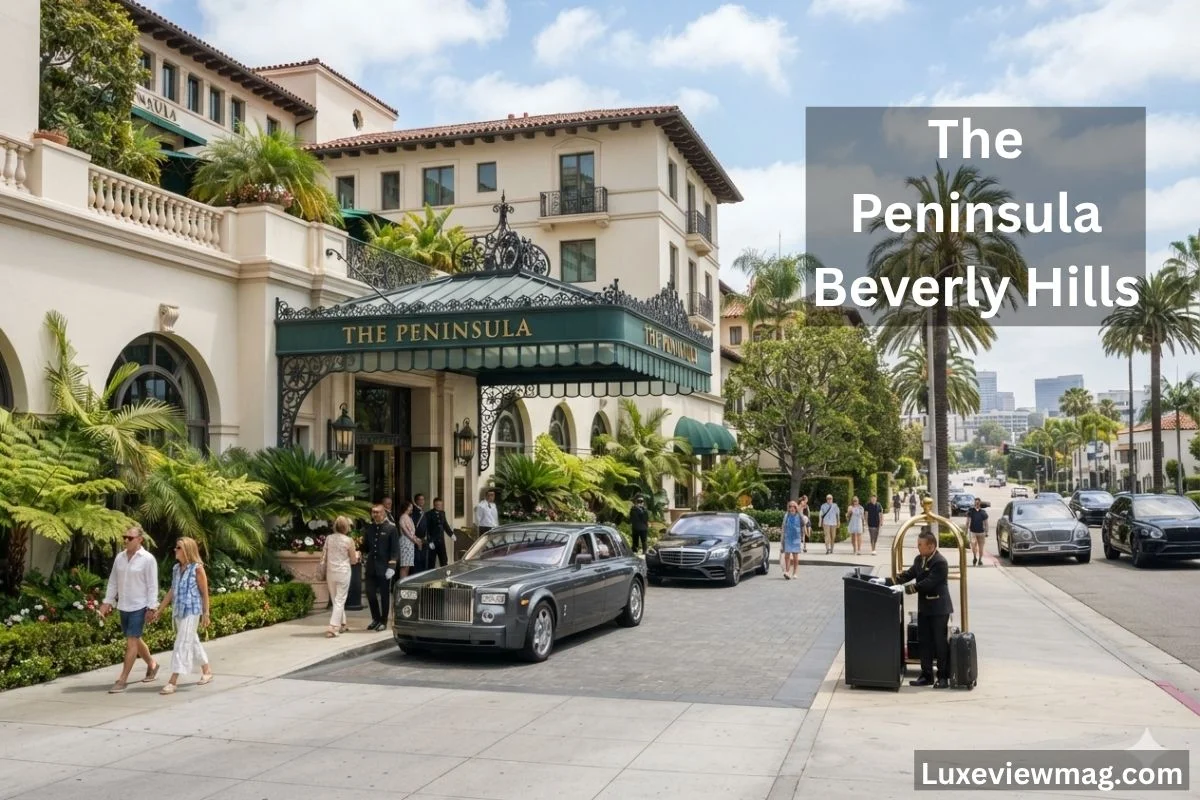
Built in 1991, The Peninsula sits right at the intersection of Wilshire and South Santa Monica Boulevards dead center in Beverly Hills, a few minutes’ walk from Rodeo Drive and close to Century City. It was only the second Peninsula hotel to open in the U.S., after New York, and it’s held onto its reputation ever since it’s been rated AAA Five Diamond and Forbes Five Star every year since it opened, which is a longer streak than almost any other hotel in Southern California can claim.
The property itself is low-rise by LA standards just four floors, spread across grounds landscaped with tropical gardens rather than stacked into a tower. There are 195 rooms, including a batch of private garden villas with their own entrance for guests who’d rather not be seen coming and going. The rooftop pool and the spa are both well regarded, and the restaurant, Belvedere, has a long-standing reputation locally, not just among hotel guests.
Good for: couples, serious shoppers, anyone who wants old-school Beverly Hills polish without the flash of a newer high-rise.
2. Rosewood Miramar Beach
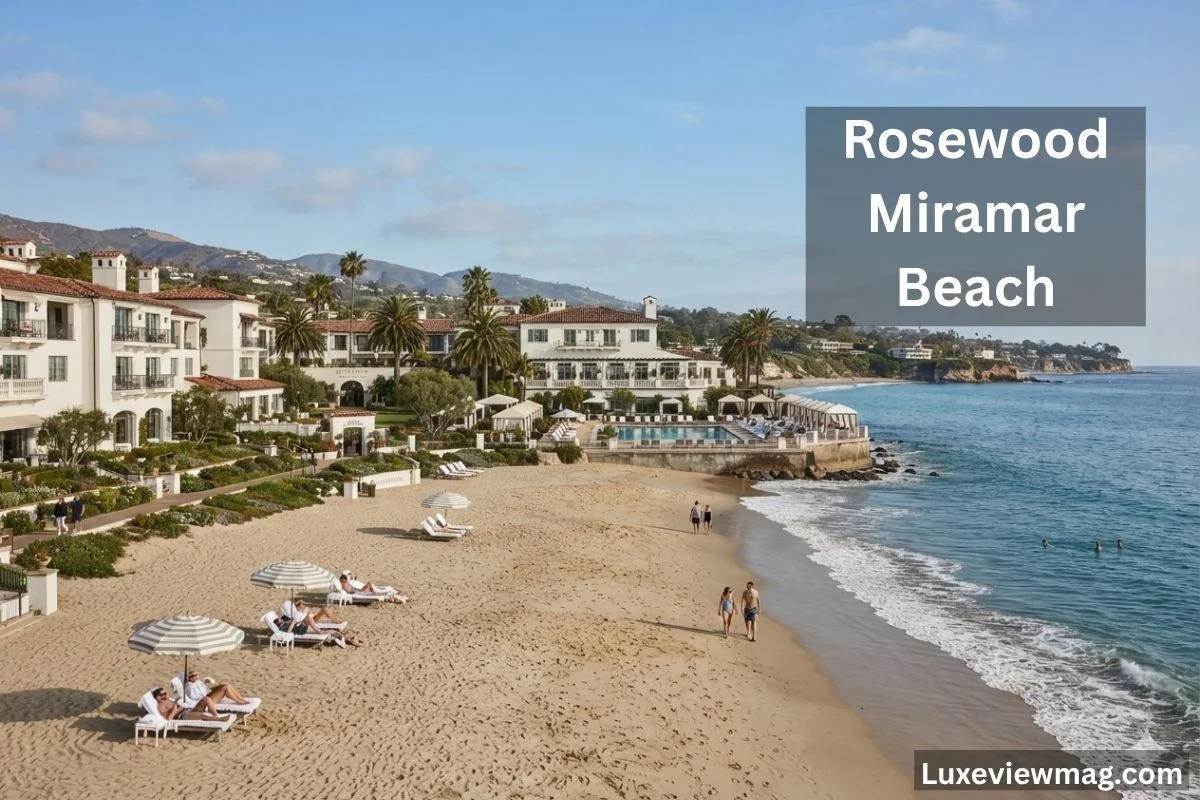
Rosewood Miramar Beach opened in 2019 on the site of the old Miramar By The Sea Hotel, and it’s genuinely rare in one specific way it’s one of the only luxury resorts in Southern California where rooms sit directly on the sand rather than across a road or a boardwalk from it. It’s in Montecito, about an hour up the coast from Los Angeles, in the stretch locals sometimes call the American Riviera.
The resort spreads across roughly 16 acres and has around 150 rooms, including beachfront suites and freestanding multi-bedroom bungalows that work well for families or small groups. There are two pools, a Rosewood spa, and several restaurants. Caruso’s leans into Southern Italian fine dining with ocean views, while The Revere Room does an all-day, locally sourced menu that’s a bit more casual. Water sports gear (kayaks, paddleboards) is included for guests, which is a nice touch if you’re staying more than a couple of nights.
Good for: beach trips, couples, families, anyone who wants five-star comfort without a formal, buttoned-up vibe.
3. Montage Laguna Beach
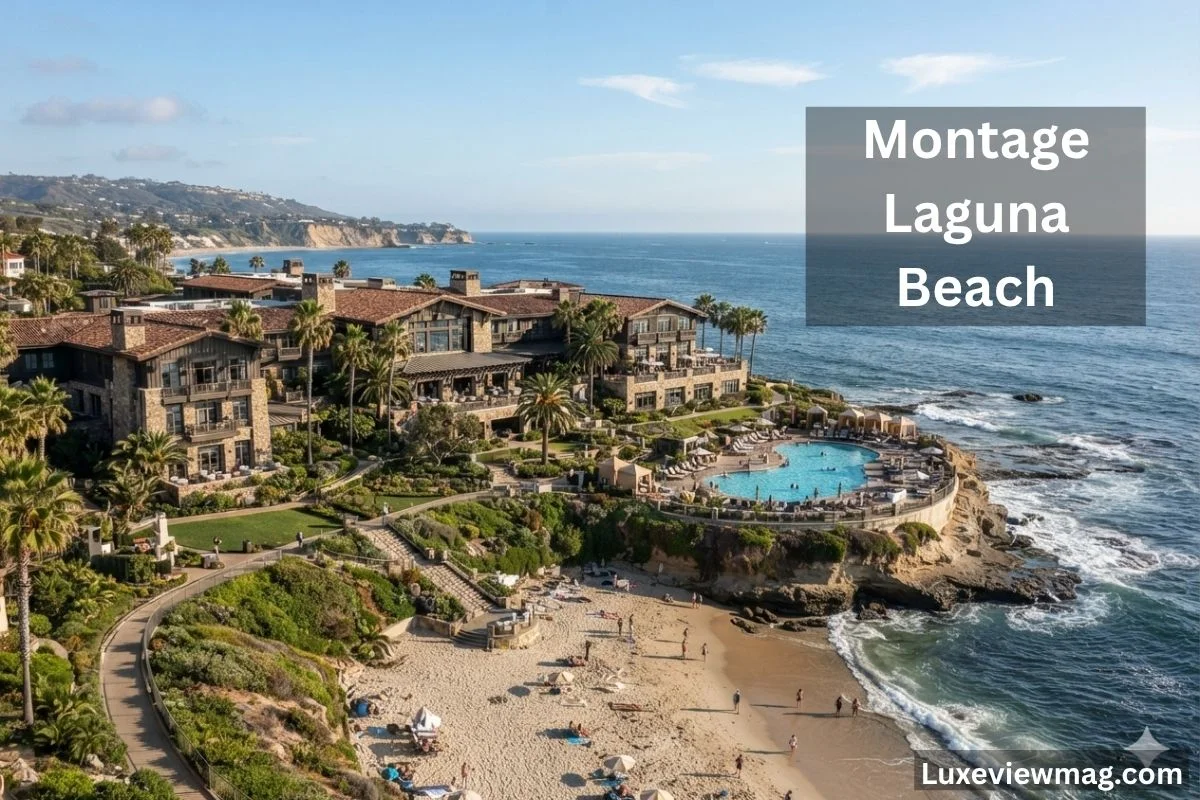
Set on a bluff above the Pacific in Laguna Beach, Montage trades the city-adjacent convenience of somewhere like Beverly Hills for pure coastal drama. The rooms and public spaces lean into a California Craftsman aesthetic, and the site itself does a lot of the heavy lifting there’s a stretch of protected beach right below the property, plus a spa, multiple pools, and several restaurants. It’s the kind of hotel where the view from your balcony is arguably the main amenity.
Good for: romantic getaways, oceanfront relaxation, special-occasion trips where the setting matters more than proximity to a city.
4. Fairmont San Francisco

If you want a hotel with actual history behind it rather than just a polished lobby, the Fairmont on Nob Hill is hard to beat. It dates to 1907 it was nearly destroyed by the 1906 earthquake before it even opened, then rebuilt under architect Julia Morgan, California’s first licensed female architect. The lobby still has the original marble floors and columns she designed, and the hotel has a genuinely wild list of historical footnotes the United Nations Charter was drafted in one of its rooms in 1945, and Tony Bennett first performed “I Left My Heart in San Francisco” in the hotel’s Venetian Room.
Nob Hill itself is one of the more residential, old-money parts of the city, so don’t expect restaurants right outside the door but it’s also the one spot in San Francisco where every cable car line converges, which makes getting around genuinely easy. If you’d rather stay somewhere more contemporary and closer to the waterfront, the Four Seasons at the Embarcadero is the newer-money alternative, with better skyline views and a more central base for exploring downtown.
Good for: history buffs, business travelers, anyone who wants “grand hotel” energy over minimalist luxury.
5. Auberge du Soleil

Tucked into the hills above Napa Valley, surrounded by vineyards, Auberge du Soleil trades city energy entirely for quiet and altitude. The rooms and the on-site dining lean toward refined-rustic rather than opulent, and the views over the valley floor are the reason most people book a lot of guests end up spending more time on their terrace than anywhere else on the property.
Good for: wine lovers, food-focused trips, couples who want quiet luxury over a packed itinerary.
Luxury by Region
1. Los Angeles
LA’s luxury hotel scene is scattered across several distinct pockets, and choosing the right one matters more here than in most cities, because LA is enormous and traffic can eat an entire evening. Beverly Hills is the move if shopping and old-school glamour are the priority. The Peninsula and a handful of similarly polished properties cluster here. Santa Monica leans more relaxed and coastal, good if you want ocean air without leaving the city entirely. West Hollywood puts you closer to nightlife, restaurants, and the entertainment-industry energy the city is known for.
None of these are wrong choices. It really comes down to how you want to spend your evenings and how much time you’re willing to spend in a car getting there.
2. San Francisco
San Francisco does luxury differently than LA less sprawling resort, more grand urban hotel with a story behind it. Nob Hill is the classic choice, home to properties like the Fairmont, with genuine architectural and historical weight behind the rooms. Union Square works well if shopping and sightseeing are the priority it’s central and walkable to most of downtown’s attractions. The Embarcadero, where the Four Seasons sits, puts you near the waterfront with some of the best skyline and bay views in the city, plus easier access to the Ferry Building and the piers.
Any of these neighborhoods work well if you’re planning to spend your days at museums and restaurants rather than a hotel pool San Francisco isn’t really a resort town, and its best hotels lean into that.
3. San Diego
San Diego’s luxury scene skews more relaxed than LA or San Francisco, built around beaches, golf, and pools rather than city sightseeing. La Jolla is the standout neighborhood, home to properties like The Lodge at Torrey Pines a Craftsman-style hotel built right next to the Torrey Pines golf course, with direct access to the Torrey Pines State Natural Reserve for hiking, and a farm-to-table restaurant (A.R. Valentien) that’s genuinely worth booking a table at even if you’re not staying there.
Coronado is the other major draw, home to the historic Hotel del Coronado a full-service beach resort with a couple of even more exclusive enclaves (Shore House and Beach Village) if you want to go all in. If you’d rather stay right on the sand in a more low-key setting, La Jolla Shores Hotel and its sister property La Jolla Beach & Tennis Club sit directly on La Jolla Shores Beach; they’re more casual than five-star, but the beachfront location is hard to beat, and both are notably family-friendly.
Good for: families, golfers, beach-focused trips, anyone who wants luxury without the formality of a big city hotel.
Napa Valley
Napa is less about doing things and more about slowing down wineries, long lunches, spa afternoons, and views that make you forget to check your phone. Most of the area’s high-end resorts, Auberge du Soleil among them, are built around privacy and seclusion rather than proximity to a town center. The real decision here is whether you’d rather be a short walk from tasting rooms and restaurants, or tucked away somewhere quieter in the hills with the valley spread out below you.
Best for Couples
California doesn’t run short on romantic options a bluff-top ocean view in Laguna Beach, a vineyard retreat in Napa, a historic grand hotel in San Francisco, or classic Beverly Hills polish. For couples specifically, it’s worth paying more attention to privacy, room design, and how close you actually are to whatever you’re planning to do together. A beautiful spa doesn’t mean much if it’s a 40-minute drive from the restaurant you booked for your anniversary dinner.
Best for Families
Luxury travel isn’t just a couples’ game, and California has plenty of upscale properties that handle kids well. The trick is looking past the room itself check pool setups, whether rooms connect, and how kid-friendly the dining actually is before you book. Southern California’s coastal resorts tend to be the strongest bet, since the beach does a lot of the entertaining on its own; places like Rosewood Miramar Beach and La Jolla Shores Hotel both lean into this. Napa, by contrast, skews more adult-oriented several of its top resorts have minimum-age policies, so it’s worth checking before you book if you’re traveling with kids.
How to Actually Choose
A five-star rating tells you a hotel is well-run it doesn’t tell you it’s right for you. Here’s what’s actually worth thinking through before booking:
Start with the location, not the hotel. Decide what kind of trip you want first. Beaches point you toward Southern California, wine and food point you toward Napa, and city life points you toward LA or San Francisco. Picking the hotel before the destination usually means compromising on one or the other.
Look past the base room category. A standard room at a luxury property can be a completely different experience from a suite, villa, or bungalow. Check the actual square footage, the view, whether there’s a private terrace, and how much privacy the room realistically offers hotel photos tend to feature the best room type, not the one you’re likely booking.
Match amenities to what you’ll actually use. Spas, private beach access, valet, golf courses all of it sounds great on paper, but the amenities worth paying a premium for are the ones you’ll genuinely use during your stay. A five-star spa doesn’t help much if your itinerary doesn’t leave room for it.
Check the dining scene before you arrive. If you’re planning to eat most meals on-property, the restaurants matter as much as the rooms do. This is especially true in Napa and the major cities, where a hotel’s food program is often half the reason people book it in the first place. Auberge du Soleil and the Fairmont’s dining history are both good examples of this.
Read the fine print on price. The advertised nightly rate rarely tells the whole story. Resort fees, valet parking, breakfast charges, and other add-ons can meaningfully change the total cost always compare the full price, not just the headline rate, especially when weighing two similarly priced properties.
Read recent reviews, not just a hotel’s general reputation. Service quality and property upkeep shift over time a hotel that earned its five-star reputation a decade ago isn’t guaranteed to still deliver it today. Recent reviews are a better gauge than star ratings or brand name alone.
Common Questions
Q1: What’s the single best luxury hotel in California?
There isn’t one answer it depends on what you’re after. The Peninsula Beverly Hills is a strong pick for classic city luxury, Rosewood Miramar Beach is hard to beat if you want to be right on the sand, and Auberge du Soleil is a standout for a Napa Valley retreat.
Q2: Which city has the best luxury hotels?
Los Angeles, San Francisco, and San Diego each do it differently LA for shopping and entertainment-industry glamour, San Francisco for historic, urban grandeur, San Diego for a more relaxed, beach-and-golf-focused stay.
Q3: Where should couples stay?
Laguna Beach or Montecito for the coast, Napa Valley for wine and food, or Beverly Hills and San Francisco if you’d rather stay in a city.
Q4: Where should families stay?
Southern California’s coastal resorts are usually the easiest fit La Jolla and Montecito properties in particular tend to have good pools, easy beach access, and fewer of the adult-oriented restrictions you’ll find at some Napa resorts.
Q5: Are these hotels expensive?
Generally, yes though rates swing a lot by season, property, and how far ahead you book. Peak summer and major local events (harvest season in Napa, for instance) tend to push prices well above shoulder-season rates.
Q6: When’s the best time to book?
It depends on the destination, but booking a few months ahead almost always gives you better room selection and pricing, especially around peak travel months and local events.
Final Thoughts
The best luxury hotels in California aren’t just nice rooms they’re a way into the state’s beaches, vineyards, and cities, each with its own personality. Beverly Hills and San Francisco if you want city polish and a little history behind it. Laguna Beach or Montecito for the coast. La Jolla or Coronado if you’re traveling with family. Napa if you’d rather spend your days doing very little, very well.
Whatever you land on, the same advice holds up across all of it think about the neighborhood before the hotel name, look closely at what room category you’re actually booking, match amenities to how you’ll really spend your time, and read a few recent reviews before handing over a deposit. That’s usually enough to tell you whether a hotel is worth the price tag or just worth the name on the door.

I’m Arman Ashraf, founder of LuxeViewMag, a travel and luxury lifestyle website created for travelers who want to discover exceptional destinations, luxury hotels, unforgettable experiences, and useful travel guidance. Through LuxeViewMag, I share carefully researched travel ideas, destination inspiration, and practical tips to help readers plan smarter and travel better. My goal is to make luxury travel feel inspiring, accessible, and worth exploring.
3 thoughts on “Best Luxury Hotels in California”