
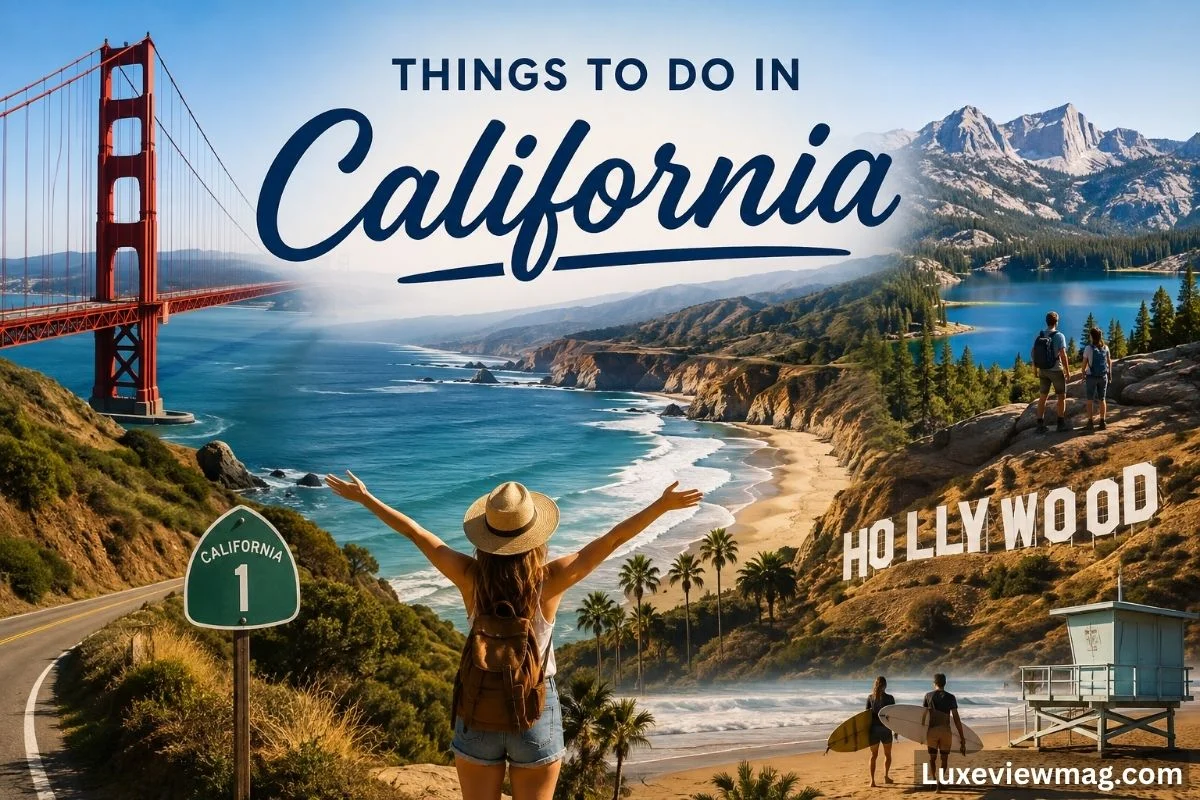
California is the kind of place where one trip rarely feels like enough. Having spent years exploring its coastline, deserts, and mountains, I can say few destinations offer this much variety within a single state. You can spend the morning walking along a sunny beach, drive through dramatic coastal scenery in the afternoon along the legendary 840-mile Pacific coastline, and end the day beneath a sky full of stars in one of the state’s nine national parks more than any other state in the U.S.
From iconic cities like Los Angeles and San Francisco to peaceful coastal towns, national parks, wine country, and desert landscapes, California offers an almost overwhelming range of things to do. It’s home to over 280 state parks, three UNESCO World Heritage Sites, and Napa Valley, one of the world’s most respected wine regions, producing wine since the 1800s. According to Visit California, the state welcomed over 250 million visitors in recent years, making it one of the most popular travel destinations in the world a testament to how much it has to offer every type of traveler.
Whether you’re planning a family vacation, a romantic getaway, a scenic road trip, or your first visit to the Golden State, this guide draws on real travel experience and up-to-date local insight to highlight some of the best experiences worth adding to your itinerary. Every recommendation here has been chosen with an eye toward authenticity, safety, and value, so you can plan a trip with confidence rather than guesswork.
From the redwood forests in the north to the sun-soaked beaches of the south, California proves that no single visit can ever truly capture everything it has to offer.
What Are the Best Things to Do in California?
Some of the best things to do in California include visiting Yosemite National Park, exploring San Francisco, relaxing on the state’s beaches, driving the Pacific Coast Highway, experiencing Disneyland, exploring Los Angeles, visiting Napa Valley, and discovering the landscapes of Joshua Tree National Park.
The right choice depends on what kind of trip you’re planning. Nature lovers have national parks and hiking trails, while families can choose from theme parks and zoos. Couples can enjoy wine country and scenic coastal towns, and road-trippers have miles of unforgettable coastline to explore.
10 Best Things to Do in California
1. Explore Yosemite National Park
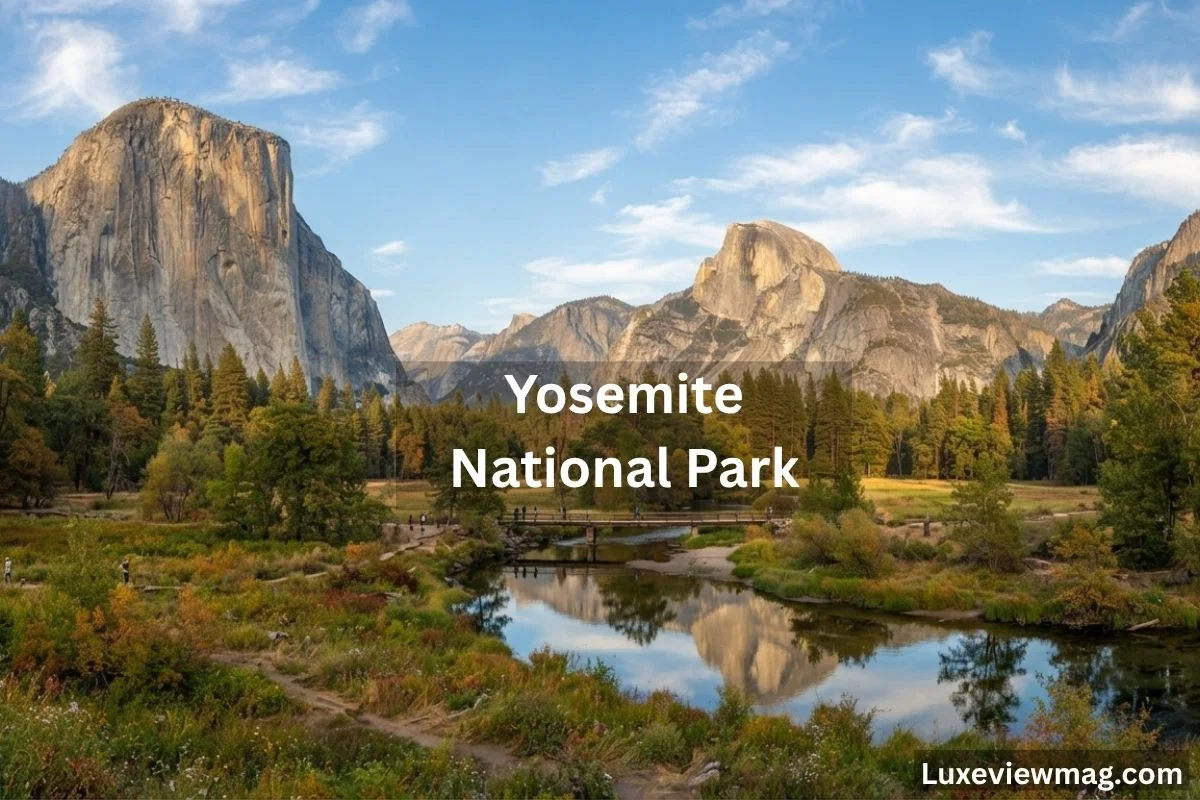
Yosemite National Park, a UNESCO World Heritage Site spanning nearly 1,200 square miles in California’s Sierra Nevada, is one of the most spectacular natural destinations in the United States. Carved by ancient glaciers over millions of years, the park is famous for its towering granite cliffs, cascading waterfalls, ancient sequoia groves, and dramatic mountain scenery. It draws hikers, rock climbers, photographers, and nature lovers from around the world, offering something for every kind of traveler, from a quick scenic drive to a multi-day backcountry trek.
Yosemite Valley is the heart of the park and the best place to begin your visit. This seven-mile-long valley, carved by glaciers and framed by sheer granite walls, offers some of the most iconic views in America. Here you can admire Half Dome, the park’s signature granite monolith rising nearly 4,800 feet above the valley floor, and El Capitan, a nearly vertical rock face beloved by rock climbers worldwide and one of the largest granite monoliths on earth.
Yosemite Falls, one of the tallest waterfalls in North America, is another must-see highlight. It’s most powerful and dramatic in late spring, typically April through June, when snowmelt sends water thundering down its three tiers; by late summer, the falls often slow to a trickle or dry up completely, so timing your visit matters.
For sweeping panoramic views, Glacier Point is hard to beat. Perched at over 7,000 feet, it offers a stunning vantage point overlooking Half Dome, Yosemite Valley, and the High Sierra beyond, especially memorable at sunrise or sunset. Other worthwhile stops include Tunnel View, one of the most photographed viewpoints in the park, and Mariposa Grove, home to hundreds of giant sequoias, some over 2,000 years old.
If you plan to hike, choose a trail that matches your fitness level and experience level, and always check current park conditions before heading out. Here’s a quick comparison of some popular options:
| Trail | Distance | Difficulty | Highlights | Approx. Time |
|---|---|---|---|---|
| Lower Yosemite Fall Trail | 1 mile (loop) | Easy | Close-up view of the falls, wheelchair accessible | 30–60 min |
| Mirror Lake Trail | 2–5 miles | Easy to Moderate | Reflections of Half Dome, seasonal lake | 1–3 hours |
| Mist Trail (to Vernal Fall) | 2.4 miles round trip | Moderate | Waterfall views, granite steps, mist spray | 2–3 hours |
| Mist Trail (to Nevada Fall) | 5.4 miles round trip | Strenuous | Two waterfalls, elevation gain, panoramic views | 5–7 hours |
| Four Mile Trail | 9.6 miles round trip | Strenuous | Valley views, connects to Glacier Point | 6–8 hours |
| Half Dome (via cables) | 14–16 miles round trip | Very Strenuous | Summit views, permit required | 10–12 hours |
Always carry plenty of water, sun protection, and layers for shifting mountain weather, and check trail closures or permit requirements (especially for Half Dome) before setting out.
2. Spend a Day at Disneyland

For families and Disney fans, Disneyland in Anaheim is one of California’s most popular attractions and the place where it all began, opening in 1955 as Walt Disney’s original theme park. Located in Orange County, roughly 35 miles southeast of Los Angeles, the Disneyland Resort has grown into a sprawling entertainment complex that draws millions of visitors each year from around the world.
The resort includes two distinct theme parks: Disneyland Park, home to classic attractions, beloved characters, and nostalgic charm, and Disney California Adventure, which celebrates California culture through thrill rides, immersive lands, and entertainment. Together they offer rides, parades, fireworks, live shows, and themed dining experiences suited to different age groups, from toddlers to thrill-seeking teens and nostalgic adults.
A full day can easily be spent inside either park, given the sheer number of attractions, shows, and dining options available. However, visitors with more time may want to dedicate two full days, one per park, to explore everything without rushing, since trying to see both parks in a single day often means skipping major rides or shows.
| Feature | Disneyland Park | Disney California Adventure |
|---|---|---|
| Opened | 1955 | 2001 |
| Theme | Classic Disney magic, fairy tales, nostalgia | California culture, movies, thrill rides |
| Iconic Attraction | Sleeping Beauty Castle | Pixar Pier, Radiator Springs Racers |
| Best For | Younger children, classic Disney fans | Thrill-ride fans, Pixar and Marvel fans |
| Signature Land | Fantasyland, Star Wars: Galaxy’s Edge | Cars Land, Avengers Campus |
| Evening Show | Fireworks over the castle | World of Color (water and light show) |
| Recommended Time | Full day (8–10 hours) | Full day (8–10 hours) |
Planning ahead is especially helpful during busy travel periods, such as summer break, major holidays, and school vacation weeks, when crowds and wait times peak. Booking park tickets in advance, using the Disneyland app to reserve ride return times (via Lightning Lane), and arriving before park opening can all make a significant difference in how much you’re able to experience in a single visit. It’s also worth checking seasonal events, like Halloween or holiday overlays, which can add unique décor, parades, and limited-time treats to your visit.
3. See the Golden Gate Bridge

Few California landmarks are as recognizable as the Golden Gate Bridge. Completed in 1937, this Art Deco suspension bridge stretches nearly 1.7 miles across the Golden Gate Strait, connecting San Francisco to Marin County. Painted in its distinctive “International Orange” for visibility in the bay’s frequent fog, it was once the longest suspension bridge in the world and remains one of the most photographed structures on the planet.
You can admire it from several viewpoints around San Francisco, walk or bike across the bridge on its pedestrian pathway, or explore the surrounding Golden Gate National Recreation Area, which includes coastal trails, historic military sites, and sweeping bay views. Each vantage point offers a different perspective, so it’s worth visiting more than one if time allows.
For photographers, visiting around sunrise or sunset can provide beautiful golden light and constantly changing views of the bay, especially when fog rolls in and out, softening the bridge’s silhouette or wrapping its towers in mist.
| Viewpoint | Distance from Bridge | Best For | Notes |
|---|---|---|---|
| Battery Spencer | ~1 mile (Marin side) | Classic postcard views, sunset | Short walk from parking, elevated view |
| Vista Point | Right at bridge (Marin side) | Easy access, close-up views | Popular but can be crowded |
| Crissy Field | ~2 miles (SF side) | Walking, picnicking, beach views | Flat, scenic waterfront path |
| Fort Point | Directly beneath bridge | Dramatic upward views, history | Historic Civil War-era fort |
| Baker Beach | ~1.5 miles (SF side) | Beach views with bridge backdrop | Popular for photos, can be windy |
| Walking Across the Bridge | On the bridge itself | Up-close experience, bay views | About 1–1.5 hours round trip on foot |
Don’t leave immediately after seeing the bridge. Nearby areas offer plenty of additional places to explore. Golden Gate Park, one of the largest urban parks in the country, is home to the California Academy of Sciences, the de Young Museum, and the Japanese Tea Garden. The Presidio, a former military post turned national park site, offers hiking trails, historic buildings, and the popular Presidio Tunnel Tops with panoramic bay views. Both areas make it easy to turn a quick photo stop into a half-day or full-day outing.
4. Drive the Pacific Coast Highway
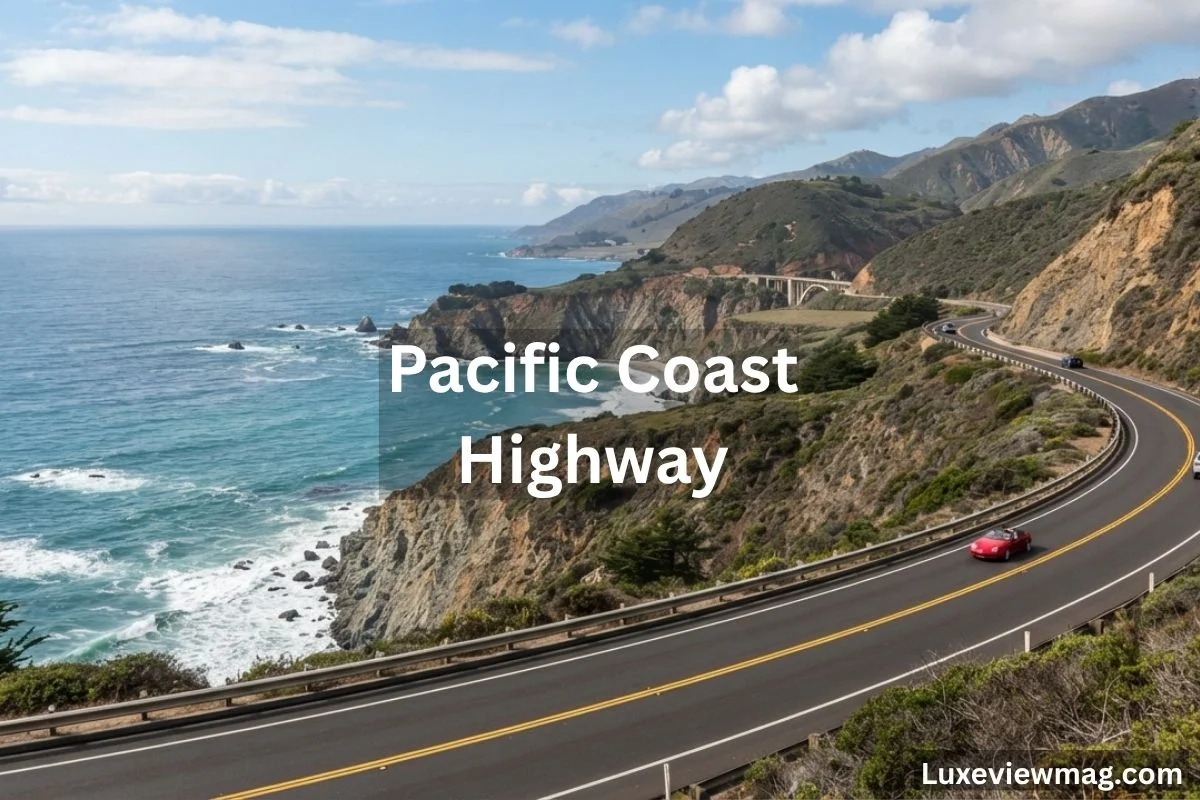
A California road trip isn’t complete without experiencing the state’s dramatic coastline. Highway 1, often associated with the Pacific Coast Highway (PCH), hugs the edge of the continent for hundreds of miles, passing through charming coastal communities, sandy beaches, sheer cliffs, and countless scenic viewpoints. It’s consistently ranked among the most beautiful drives in the world, offering an ever-changing view of the Pacific Ocean around nearly every curve.
One of the most memorable stretches is around Big Sur, a rugged 90-mile stretch where the Santa Lucia Mountains plunge dramatically into the Pacific. Here, the road winds along cliffside curves with towering redwoods on one side and endless ocean views on the other, punctuated by landmarks like the iconic Bixby Creek Bridge and the McWay Falls waterfall, which drops directly onto a secluded beach.
You can combine the drive with stops in Monterey, known for its historic Cannery Row and world-class aquarium, and Carmel-by-the-Sea, a picturesque village with art galleries, cottage-style architecture, and a beautiful white sand beach. These towns make the journey about more than simply getting from one city to another, turning a drive into a proper coastal getaway.
| Stop | Distance from SF (approx.) | Highlights | Suggested Time |
|---|---|---|---|
| Half Moon Bay | 30 miles | Beaches, farm stands, coastal bluffs | 1–2 hours |
| Santa Cruz | 75 miles | Boardwalk, surfing beaches, redwoods | 2–3 hours |
| Monterey | 115 miles | Cannery Row, Monterey Bay Aquarium, historic wharf | Half day |
| Carmel-by-the-Sea | 125 miles | Art galleries, beach, storybook architecture | 2–4 hours |
| Big Sur | 150 miles | Bixby Bridge, McWay Falls, redwood forests | Half to full day |
| Hearst Castle (San Simeon) | 240 miles | Historic mansion, guided tours | Half day |
Take your time, check road conditions before leaving, since sections of Highway 1 are occasionally closed due to landslides or storm damage, especially in winter and early spring. Avoid trying to cover too much in a single day; the winding, narrow roads mean travel takes longer than the mileage suggests, and rushing means missing the scenic pull-offs that make the drive worthwhile. Fuel up before entering Big Sur, as gas stations are limited along the route, and consider booking accommodations in advance if you plan to stay overnight, since options are sparse in the more remote stretches.
5. Relax on California’s Beaches
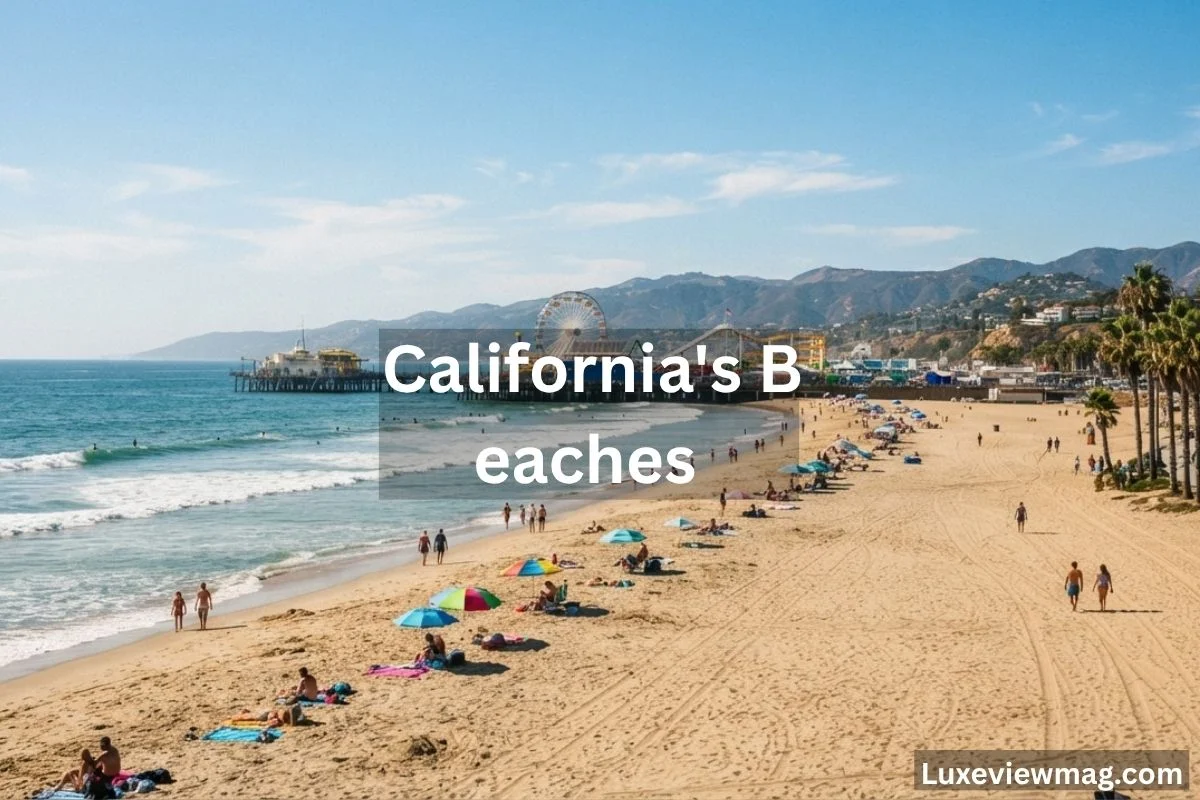
California has a huge variety of beaches, from lively surf spots packed with energy to quiet stretches of coastline perfect for unwinding. With over 800 miles of coastline, the state offers something for every kind of beachgoer, whether you’re after people-watching, water sports, tide pools, or simply a peaceful place to watch the waves roll in.
Santa Monica is a classic choice for visitors to Los Angeles, known for its iconic pier, amusement park rides, and wide sandy beach that stretches for miles, all just steps from shops and restaurants. Malibu offers beautiful coastal scenery with a more upscale, laid-back vibe, home to famous spots like Zuma Beach and El Matador State Beach, where dramatic rock formations and sea caves add to the scenery. Laguna Beach is known for its artistic atmosphere and hidden coves, dotted with tide pools, art galleries, and a charming village center that has attracted painters and sculptors for generations. Coronado Beach near San Diego is another popular option, famous for its powdery white sand, views of the historic Hotel del Coronado, and calm waters that make it especially family-friendly.
If you’re interested in surfing, beaches around Huntington Beach, nicknamed “Surf City USA,” and other coastal communities like Trestles near San Clemente offer consistent waves and a strong surf culture, complete with surf shops, lessons, and beachside competitions throughout the year.
| Beach | Location | Best For | Vibe |
|---|---|---|---|
| Santa Monica | Los Angeles | Pier, amusement rides, people-watching | Lively, touristy |
| Malibu | Los Angeles County | Scenic coastline, celebrity spotting | Upscale, relaxed |
| Laguna Beach | Orange County | Coves, tide pools, art galleries | Artistic, charming |
| Coronado Beach | San Diego | Families, calm water, historic hotel | Peaceful, picturesque |
| Huntington Beach | Orange County | Surfing, beach culture | Energetic, sporty |
| Pismo Beach | Central Coast | Dunes, quieter atmosphere | Laid-back, small-town |
For a more relaxed experience, simply grab a seat near the water and watch the sunset, one of the simplest but most memorable ways to end a day in California. Many beaches allow bonfires in designated fire pits, so bringing a blanket and staying past dusk can turn a beach stop into a full evening. As with any outing, check local conditions like tides, water temperature, and any beach advisories before heading out, since conditions can vary widely between locations and seasons.
6. Explore San Francisco
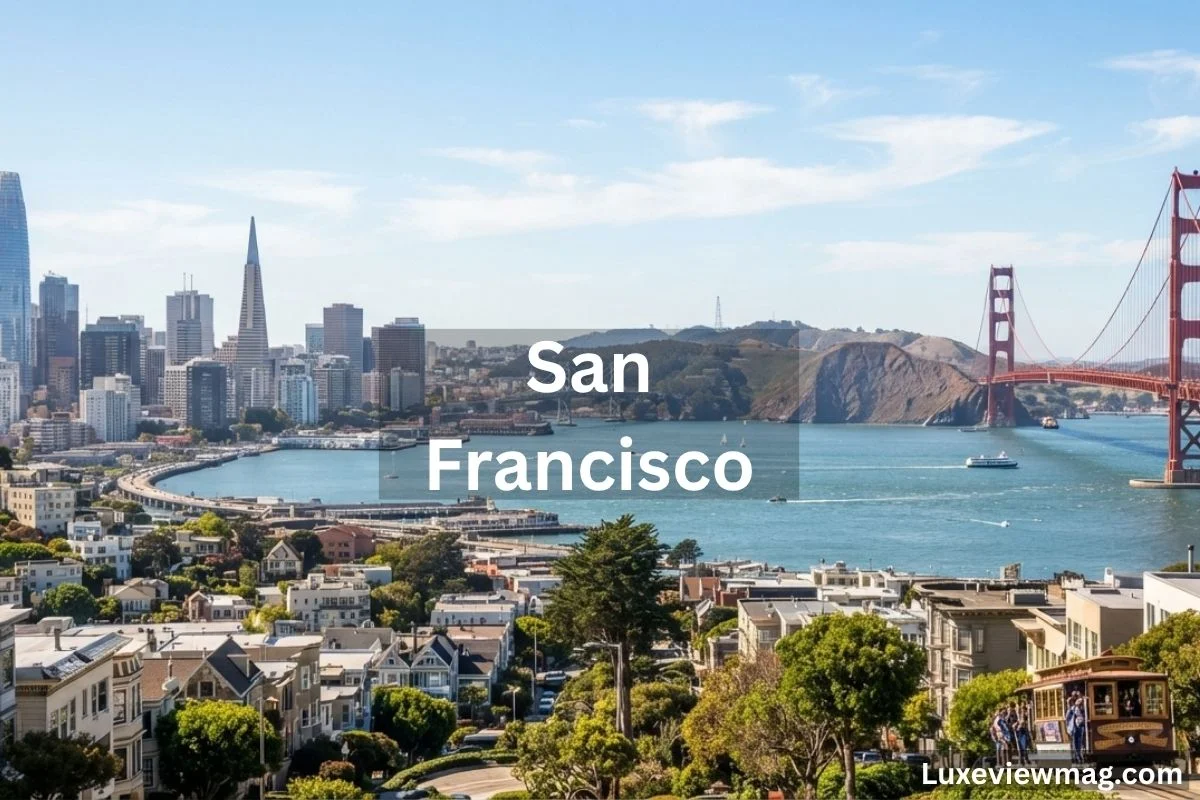
San Francisco deserves more than a quick stop. Built across dramatic hills overlooking the bay, the city packs an extraordinary range of history, culture, and scenery into just seven square miles, making it one of the most walkable and distinctive cities in the country.
Start with the Golden Gate Bridge (covered earlier), then branch out into the neighborhoods and attractions that give the city its character. Chinatown, the oldest and one of the largest Chinatowns outside Asia, is filled with bustling markets, dim sum restaurants, and ornate temple gates. Fisherman’s Wharf offers waterfront dining, sea lion colonies at Pier 39, and access to boat tours around the bay. Golden Gate Park stretches over 1,000 acres and houses gardens, museums, and quiet trails, while Lombard Street, famously known as “the crookedest street in the world,” draws visitors eager to photograph its tight switchback turns lined with hydrangeas.
You can also take a ride on one of the city’s historic cable cars, a National Historic Landmark and one of the last manually operated cable car systems in the world, climbing steep hills for sweeping views along the way. A visit to Alcatraz Island, the former federal prison turned popular historic site, offers an audio-guided tour through its cell house and grounds, along with excellent views back toward the city skyline; note that tickets often sell out days or even weeks in advance.
| Neighborhood/Attraction | Known For | Suggested Time |
|---|---|---|
| Chinatown | Markets, temples, dim sum | 1–2 hours |
| Fisherman’s Wharf | Sea lions, seafood, bay views | 2–3 hours |
| Golden Gate Park | Gardens, museums, open space | Half day |
| Lombard Street | Iconic winding street, photos | 30–45 minutes |
| Alcatraz Island | Historic prison tour, city views | 3–4 hours (incl. ferry) |
| Cable Car Ride | Historic transit, hillside views | 30–60 minutes |
| Mission District | Murals, food scene, nightlife | Half day |
One of the best things about San Francisco is that different neighborhoods have completely different personalities, from the bohemian energy of the Mission District to the upscale boutiques of Union Square and the quiet Victorian charm of Pacific Heights. Leave some room in your itinerary for simply walking around and discovering them, since some of the city’s best moments come from unplanned detours down a scenic side street or into a neighborhood café.
7. Discover Los Angeles

Los Angeles is much more than Hollywood. As one of the largest and most diverse cities in the country, LA spans nearly 500 square miles and blends beach culture, entertainment industry glamour, world-class museums, and a mix of neighborhoods that each feel like their own small city. It’s a destination that rewards travelers willing to look beyond the postcard image.
Visitors can explore Griffith Observatory, perched in the hills above the city with free telescopes, space exhibits, and one of the best panoramic views of the Hollywood Sign and downtown skyline, especially stunning at sunset. Walk along Santa Monica Beach (covered earlier) for its iconic pier and boardwalk atmosphere, or visit Venice Beach, known for its colorful boardwalk, street performers, skate park, and famous Muscle Beach outdoor gym. Shop around Beverly Hills, home to the upscale boutiques of Rodeo Drive and tree-lined residential streets often associated with celebrity homes, or spend a full day at Universal Studios Hollywood, a theme park combining movie-themed rides, a working studio tour, and immersive lands based on popular films.
Hollywood Boulevard is worth visiting for first-time travelers, home to the Walk of Fame, the TCL Chinese Theatre with its famous handprints and footprints, and the Dolby Theatre, host of the Academy Awards. That said, don’t feel that you need to spend your entire trip there, as the boulevard itself is a fairly small, tourist-focused stretch that most visitors cover in a couple of hours.
Los Angeles is spread out, so group attractions by area when planning your itinerary. This can save considerable time in traffic, which is a significant factor in a city where neighborhoods that look close on a map can take 45 minutes or more to drive between during peak hours.
| Area | Key Attractions | Suggested Time |
|---|---|---|
| Hollywood | Walk of Fame, TCL Chinese Theatre, Dolby Theatre | 2–3 hours |
| Griffith Park | Griffith Observatory, Hollywood Sign views, hiking | Half day |
| Santa Monica/Venice | Santa Monica Pier, Venice Boardwalk, Muscle Beach | Half to full day |
| Beverly Hills | Rodeo Drive, upscale shopping, celebrity homes | 2–3 hours |
| Universal City | Universal Studios Hollywood | Full day |
| Downtown LA | Museums, Grand Central Market, architecture | Half day |
A good strategy is to dedicate each day of your trip to a specific area rather than crisscrossing the city, and to build in extra time for traffic, especially during morning and evening rush hours. Ride-sharing, the Metro rail system, or simply walking within a single neighborhood can also help you avoid the stress of driving and parking in busier areas like Hollywood and Santa Monica.
8. Visit San Diego

San Diego combines beaches, parks, attractions, and a relaxed Southern California atmosphere, earning its reputation as one of the most livable and laid-back cities in the state. With near-perfect weather year-round, a beautiful natural harbor, and a slower pace than Los Angeles, it’s a favorite for travelers looking to unwind without sacrificing things to see and do.
Balboa Park is one of the city’s standout destinations, a sprawling 1,200-acre urban park home to more than a dozen museums, botanical gardens, and the ornate Spanish Colonial Revival architecture built for the 1915 Panama-California Exposition. Highlights include the San Diego Museum of Art, the Fleet Science Center, and the Botanical Building, along with shaded walking paths and the beloved Spreckels Organ Pavilion, home to one of the largest outdoor pipe organs in the world.
Families may enjoy the San Diego Zoo, located within Balboa Park and internationally renowned for its diverse animal collection, immersive habitats, and conservation efforts, making it easy to spend a full day exploring. La Jolla is a popular place to explore the coastline and look for marine wildlife, with sea lions and harbor seals commonly spotted lounging along the rocky shore at La Jolla Cove, plus opportunities for snorkeling, kayaking, and tide pooling among its scenic cliffs and coves.
Coronado is another great choice if you’re looking for beaches, waterfront views, and a slower pace, connected to downtown San Diego by a striking bridge and known for its wide sandy beach, the historic Hotel del Coronado, and a charming small-town main street lined with shops and cafés.
| Destination | Known For | Suggested Time |
|---|---|---|
| Balboa Park | Museums, gardens, architecture | Half to full day |
| San Diego Zoo | Wildlife, conservation, family-friendly | Full day |
| La Jolla | Coastal views, sea lions, snorkeling | Half day |
| Coronado | Beaches, historic hotel, small-town charm | Half to full day |
| Gaslamp Quarter | Nightlife, restaurants, historic buildings | 2–3 hours |
| Old Town San Diego | Mexican heritage, historic sites, food | 2–3 hours |
With so much packed into a relatively compact area, San Diego is easier to navigate than LA, though it’s still worth grouping nearby attractions together, pairing Balboa Park with the zoo, or La Jolla with a coastal drive, to make the most of your time without unnecessary backtracking.
9. Explore Napa Valley

California’s wine country offers a completely different experience from its major cities, trading urban energy for rolling vineyards, quiet country roads, and a slower, more indulgent pace. Just over an hour north of San Francisco, Napa Valley has become one of the most celebrated wine regions in the world, producing acclaimed Cabernet Sauvignon, Chardonnay, and other varietals across hundreds of wineries.
Napa Valley is known for its vineyards, wine tasting, world-class restaurants, scenic countryside, and upscale accommodations, ranging from boutique inns to luxury resorts. The valley stretches roughly 30 miles from the town of Napa in the south to Calistoga in the north, with each town along the way offering a slightly different character, from lively and social to quiet and low-key.
Even if you’re not particularly interested in wine, the region can be enjoyable for its food, landscapes, and relaxing atmosphere. Napa is home to a thriving culinary scene, including several Michelin-starred restaurants, farm-to-table dining, and the Oxbow Public Market, a popular food hall showcasing local producers. The scenery itself, with neat rows of vines set against golden hills, is worth the visit on its own, and many visitors simply enjoy a scenic drive, a hot air balloon ride at sunrise, or a relaxing spa day at one of the valley’s resorts.
| Town/Area | Known For | Vibe |
|---|---|---|
| Napa (city) | Oxbow Market, restaurants, walkable downtown | Lively, central |
| Yountville | Fine dining (The French Laundry), boutique shops | Upscale, culinary-focused |
| Oakville/Rutherford | Renowned Cabernet vineyards | Prestigious, quiet |
| St. Helena | Historic Main Street, tasting rooms | Charming, walkable |
| Calistoga | Hot springs, mud baths, spas | Relaxed, wellness-focused |
If you’re planning to visit wineries, check reservation requirements in advance, as many tasting rooms, especially smaller or higher-end estates, no longer accept walk-ins and require booking days or weeks ahead. Consider arranging transportation rather than driving after drinking; options include hiring a private driver, joining a guided wine tour, or using the Napa Valley Wine Train, which combines scenic rail travel with tastings along the route. Weekdays also tend to be quieter and easier for last-minute reservations than weekends, when the valley draws much larger crowds.
10. Experience Joshua Tree National Park
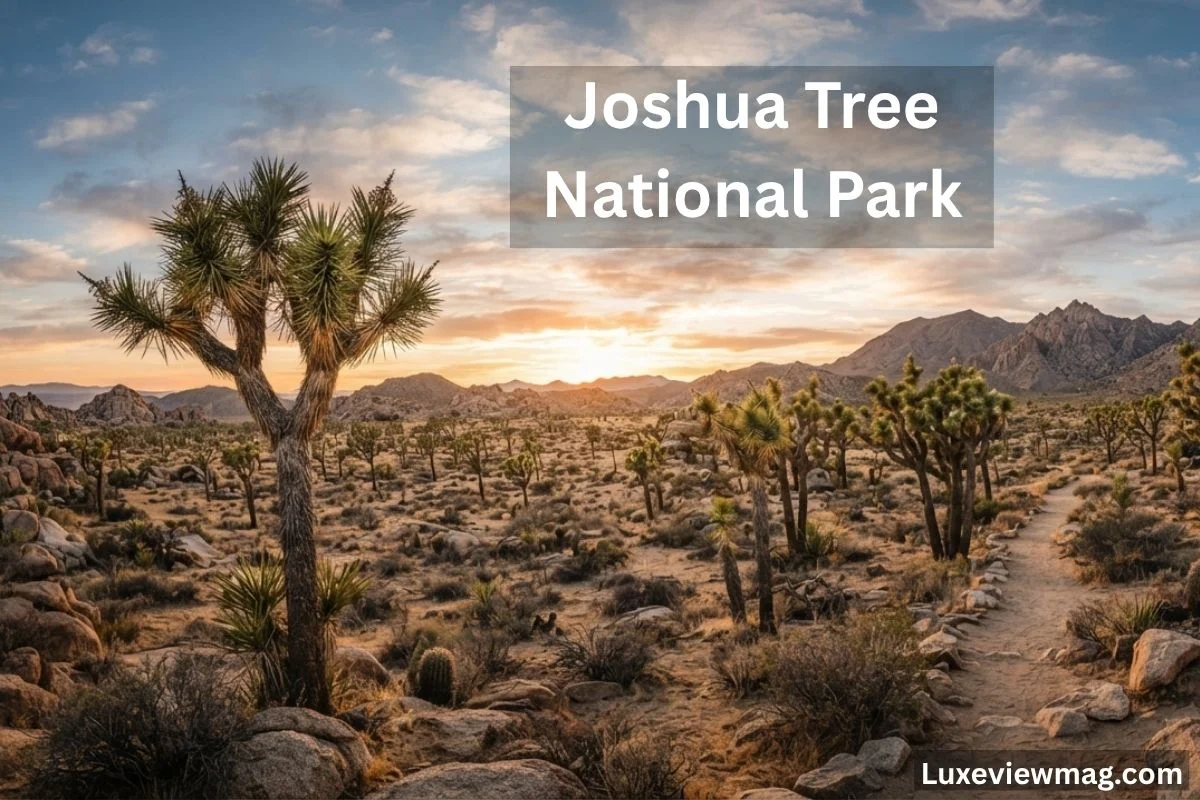
Joshua Tree feels worlds away from California’s coastal cities. Located about three hours east of Los Angeles, this nearly 800,000-acre park sits at the convergence of two distinct desert ecosystems, the higher, cooler Mojave Desert and the lower, hotter Colorado Desert, giving it a striking and varied landscape unlike anywhere else in the state.
The park is known for its unusual Joshua trees, spiky, twisted yucca plants found almost exclusively in this region, along with massive boulder formations shaped by millions of years of erosion, vast desert scenery, and some of the best stargazing opportunities in Southern California thanks to its designation as an International Dark Sky Park.
You can spend the day hiking and exploring viewpoints, scrambling over granite boulders, wandering through dense Joshua tree forests, or admiring desert wildflowers in bloom during spring, before staying after dark to experience the night sky, when thousands of stars, and often the Milky Way, become visible far from city light pollution.
| Spot/Trail | Distance | Highlights | Best For |
|---|---|---|---|
| Hidden Valley Trail | 1 mile (loop) | Rock formations, easy walk | Families, quick stop |
| Barker Dam Trail | 1.3 miles (loop) | Historic dam, wildlife, petroglyphs | Easy hike, history |
| Skull Rock | 0.5 miles (loop) | Unique rock formation, roadside access | Quick photo stop |
| Ryan Mountain Trail | 3 miles round trip | Panoramic desert views | Moderate hike, sunset |
| Keys View | Scenic drive/overlook | Coachella Valley views, San Andreas Fault | Sunset, easy access |
| Cholla Cactus Garden | 0.25 miles (loop) | Dense cactus field, unique scenery | Photography, short walk |
Temperatures can change significantly depending on the season and time of day, with summer highs often exceeding 100°F and winter nights dropping below freezing, so bring appropriate clothing, plenty of water, and sun protection regardless of when you visit. It’s also worth noting that cell service is extremely limited throughout the park, so download offline maps in advance, fill up on gas before entering, and let someone know your plans if you’re heading out on longer hikes.
Best Outdoor Things to Do in California
California is an excellent destination for outdoor adventures.
Depending on where you travel, you can go hiking, surfing, kayaking, camping, skiing, cycling, rock climbing, or wildlife watching.
1. Hiking
Some of the most memorable hiking opportunities can be found in Yosemite, Joshua Tree, Sequoia National Park, Big Sur, and the Lake Tahoe region.
Choose trails based on your fitness level and always check current weather and trail conditions.
2. Surfing
California’s coastline is closely connected with surf culture.
Huntington Beach, Santa Cruz, Malibu, San Diego, and several other coastal communities are popular places to surf.
Beginners can look for local lessons and choose beaches with conditions appropriate for their experience.
3. Whale Watching
Several parts of the California coast offer opportunities to see whales and other marine wildlife.
Monterey Bay is particularly well known for marine life, while other coastal communities offer seasonal whale-watching excursions.
4. Skiing and Snowboarding
California isn’t only about beaches.
During winter, mountain destinations around Lake Tahoe and the Sierra Nevada attract skiers and snowboarders.
This makes it possible to combine a coastal vacation with a mountain adventure depending on your itinerary.
Best Things to Do in California by City
1. Things to Do in Los Angeles
- Visit Griffith Observatory
- Explore Hollywood
- Relax at Santa Monica Beach
- Walk around Venice Beach
- Visit Universal Studios Hollywood
- Explore Beverly Hills
2. Things to Do in San Francisco
- See the Golden Gate Bridge
- Visit Alcatraz Island
- Ride a cable car
- Explore Chinatown
- Visit Golden Gate Park
- Walk around Fisherman’s Wharf
3. Things to Do in San Diego
- Explore Balboa Park
- Visit the San Diego Zoo
- Relax at Coronado Beach
- Explore La Jolla
- Visit the USS Midway
- Spend time along the waterfront
4. Things to Do in Santa Barbara
Santa Barbara is a good choice for travelers looking for beaches, architecture, food, and a slower coastal atmosphere.
5. Things to Do in Monterey
Monterey is ideal for travelers interested in marine life, coastal scenery, and California’s Central Coast.
The Monterey Bay Aquarium is one of its best-known attractions.
6. Things to Do in Palm Springs
Palm Springs is known for desert scenery, resorts, architecture, golf, and access to outdoor adventures.
Best Things to Do in California by Region
1. Southern California
Southern California is home to Los Angeles, San Diego, Orange County, Palm Springs, and numerous beaches.
It’s a strong choice for travelers interested in entertainment, beaches, family attractions, and warm-weather activities.
2. Central California
Central California offers some of the state’s most dramatic scenery.
Big Sur, Monterey, Carmel-by-the-Sea, and Yosemite are among the region’s major highlights.
3. Northern California
Northern California offers a different atmosphere, with San Francisco, Napa Valley, Sonoma, redwood forests, and rugged coastline.
It’s particularly appealing for travelers who enjoy nature, food, wine, and scenic drives.
4. California Coast
California’s coastline stretches for hundreds of miles and offers everything from busy beach communities to quiet coastal towns.
A coastal road trip is one of the easiest ways to experience several destinations in one vacation.
Best Things to Do in California for Families
California is an excellent destination for family vacations.
Some family-friendly choices include:
- Disneyland
- Universal Studios Hollywood
- San Diego Zoo
- Monterey Bay Aquarium
- LEGOLAND California
- California beaches
- Yosemite National Park
- Balboa Park
For younger children, consider keeping daily schedules flexible rather than trying to visit too many attractions in one day.
Romantic Things to Do in California
California also has plenty for couples.
You could spend a weekend exploring Napa Valley, watch the sunset along the coast, take a scenic drive through Big Sur, explore Carmel-by-the-Sea, or stay at a resort in Santa Barbara.
For something more adventurous, plan a coastal road trip and stop at scenic viewpoints along the way.
Free Things to Do in California
Traveling around California doesn’t always have to be expensive.
Some experiences are free or relatively inexpensive, including:
- Walking across the Golden Gate Bridge
- Exploring public beaches
- Hiking public trails
- Watching coastal sunsets
- Exploring Golden Gate Park
- Walking through California’s coastal towns
- Enjoying scenic viewpoints
Keep in mind that some parks and attractions may charge entrance or parking fees even when the activity itself is free.
Unique Things to Do in California
If you’re looking beyond the usual tourist attractions, consider adding a few unusual experiences to your trip.
1. Stargaze in Joshua Tree
The desert’s relatively dark skies can make Joshua Tree an excellent place for stargazing.
2. See the Giant Sequoias
California’s giant sequoia trees are among the most impressive natural sights in the state.
3. Explore the Redwood Forests
Northern California’s redwood forests offer a completely different landscape from the southern desert and coastal regions.
4. Drive Through Big Sur
The combination of mountains, cliffs, and ocean views makes Big Sur one of California’s most memorable road-trip destinations.
5. Explore Death Valley
Death Valley offers dramatic desert landscapes, salt flats, mountains, and unusual geological features.
Check conditions carefully before visiting, especially during periods of extreme heat.
Best Things to Do in California by Season
1. California in Spring
Spring can be a great time to explore California’s parks, coast, gardens, and outdoor attractions.
Temperatures are generally more comfortable than during the hottest part of summer, although conditions vary significantly across the state.
2. California in Summer
Summer is popular for beach trips, road trips, national parks, and family vacations.
Expect larger crowds at major attractions and popular destinations.
3. California in Fall
Fall can be a particularly enjoyable time for wine country, coastal drives, hiking, and city trips.
Some destinations may also be less crowded than during peak summer periods.
4. California in Winter
Winter opens up different possibilities, including skiing around the Sierra Nevada, desert trips, coastal escapes, and city breaks.
Southern California can be especially appealing if you’re looking for milder weather.
What Is the Best Time to Visit California?
There isn’t one perfect month for the entire state because California covers such a large area and has several different climates.
For a general California trip, spring and fall can offer a comfortable balance between weather and crowds.
Summer is excellent for beaches and many family attractions, while winter is ideal for snow sports and certain desert or Southern California trips.
Your best travel time ultimately depends on where you’re going and what you want to do.
How Many Days Do You Need in California?
1. California in 3 Days
Focus on one area rather than trying to see the entire state.
For example, you could explore San Francisco or spend a few days around Los Angeles and the nearby coast.
2. California in 5 Days
Five days gives you more flexibility.
You could combine two nearby destinations, such as Los Angeles and San Diego, or explore San Francisco and part of the Central Coast.
3. California in 7 Days
A week works well for a focused road trip.
One possible route could include San Francisco, Monterey, Big Sur, and Los Angeles.
4. California in 10 Days
Ten days allows you to combine cities, coastline, and nature.
You could include destinations such as San Francisco, Yosemite, Big Sur, and Los Angeles, depending on your preferred pace.
5. California in 14 Days
Two weeks gives you enough time for a more ambitious itinerary that combines Northern California, the Central Coast, and Southern California.
Avoid packing every day with activities. California’s distances can be greater than they appear on a map.
Best California Road Trips
1. Pacific Coast Highway Road Trip
This is one of California’s classic road trips.
A route along the coast can include San Francisco, Monterey, Big Sur, and Los Angeles, with plenty of opportunities to stop along the way.
2. Los Angeles to San Francisco
This route works particularly well for travelers who want to combine major cities with coastal scenery.
3. San Francisco to Yosemite
You can combine city sightseeing with one of California’s most famous national parks.
4. California National Parks Road Trip
Nature lovers can create an itinerary around Yosemite, Sequoia, Kings Canyon, Joshua Tree, or other protected landscapes.
5. Southern California Road Trip
A Southern California route could connect Los Angeles, Orange County, and San Diego while leaving plenty of time for beaches and attractions.
Best Places to Visit in California
| Destination | Best For |
|---|---|
| Los Angeles | Entertainment and attractions |
| San Francisco | Landmarks and culture |
| San Diego | Beaches and families |
| Yosemite | Nature and hiking |
| Napa Valley | Food and wine |
| Big Sur | Coastal scenery |
| Lake Tahoe | Mountains and outdoor activities |
| Joshua Tree | Desert adventures |
| Santa Barbara | Coastal relaxation |
| Monterey | Marine life and scenery |
California Travel Tips
1. Plan Around Distance
California is large. A destination that looks close on a map may take considerably longer to reach because of traffic, mountain roads, or coastal routes.
2. Book Popular Attractions Early
Major attractions, hotels, national parks, and popular tours can become busy during peak travel periods.
3. Check Conditions Before Outdoor Activities
Weather, road closures, trail conditions, wildfire impacts, and other local conditions can change quickly.
4. Don’t Overpack Your Itinerary
One of the biggest mistakes first-time visitors make is trying to see too much.
Choose a few destinations and actually enjoy them rather than spending most of your vacation driving.
5. Keep Your Plans Flexible
California’s landscapes and climate vary considerably. Having some flexibility can make your trip much easier when weather or road conditions change.
Frequently Asked Questions About Things to Do in California
Q1: What is the number one thing to do in California?
There isn’t a single best activity for everyone, but exploring Yosemite National Park, driving the Pacific Coast Highway, and visiting California’s major coastal cities are among the experiences many travelers prioritize.
Q2: What is California best known for?
California is best known for its beaches, Hollywood, technology industry, national parks, scenic coastline, wine country, diverse cities, and entertainment attractions.
Q3: What should I not miss in California?
If you’re visiting for the first time, consider prioritizing Yosemite, the California coast, San Francisco, Los Angeles, San Diego, and at least one scenic road-trip route.
Q4: Is California expensive to visit?
California can be expensive, particularly in major tourist cities and during peak seasons. However, travelers can reduce costs by choosing budget accommodations, using free attractions, traveling during quieter periods, and planning transportation carefully.
Q5: What is the best month to visit California?
The best month depends on your destination and activities. Spring and fall are often comfortable for general sightseeing, while summer is popular for beaches and family trips and winter is better suited to skiing and some desert destinations.
Q6: How many days are enough for California?
A week is a reasonable starting point for exploring one part of California, while 10 to 14 days allows for a broader itinerary. Because the state is so large, longer trips are better if you want to cover both Northern and Southern California.
Q7: What are the best things to do in California with kids?
Disneyland, Universal Studios Hollywood, the San Diego Zoo, LEGOLAND California, Monterey Bay Aquarium, beaches, and selected national parks are popular choices for families.
Q8: What are the best free things to do in California?
Walking along public beaches, hiking certain trails, exploring Golden Gate Park, walking across the Golden Gate Bridge, and enjoying scenic viewpoints are among the best free experiences.
Q9: What are the best things to do in California for couples?
Couples can explore Napa Valley, take a scenic drive through Big Sur, watch sunsets along the coast, visit Santa Barbara, explore Carmel-by-the-Sea, or plan a relaxing weekend in wine country.
Final Thoughts
California isn’t a destination you can easily experience in one trip.
Its biggest attraction is the variety. You can explore a major city one day, hike through the mountains the next, and finish your trip beside the Pacific Ocean.
For first-time visitors, the best approach is to choose a region or a small group of destinations rather than trying to see everything. Whether your ideal vacation involves beaches, national parks, food, wine, theme parks, or scenic road trips, California gives you plenty of ways to build a trip around your interests.

I’m Arman Ashraf, founder of LuxeViewMag, a travel and luxury lifestyle website created for travelers who want to discover exceptional destinations, luxury hotels, unforgettable experiences, and useful travel guidance. Through LuxeViewMag, I share carefully researched travel ideas, destination inspiration, and practical tips to help readers plan smarter and travel better. My goal is to make luxury travel feel inspiring, accessible, and worth exploring.
One thought on “Things to Do in California | Best Places, Experiences & Adventures”